30 August 2026 · 5 min read
Inverter, MIG, TIG or ARC: Which Welding Machine Should You Buy?
Four common machine types, four very different jobs. Here's how to match the machine to the work before you spend money.
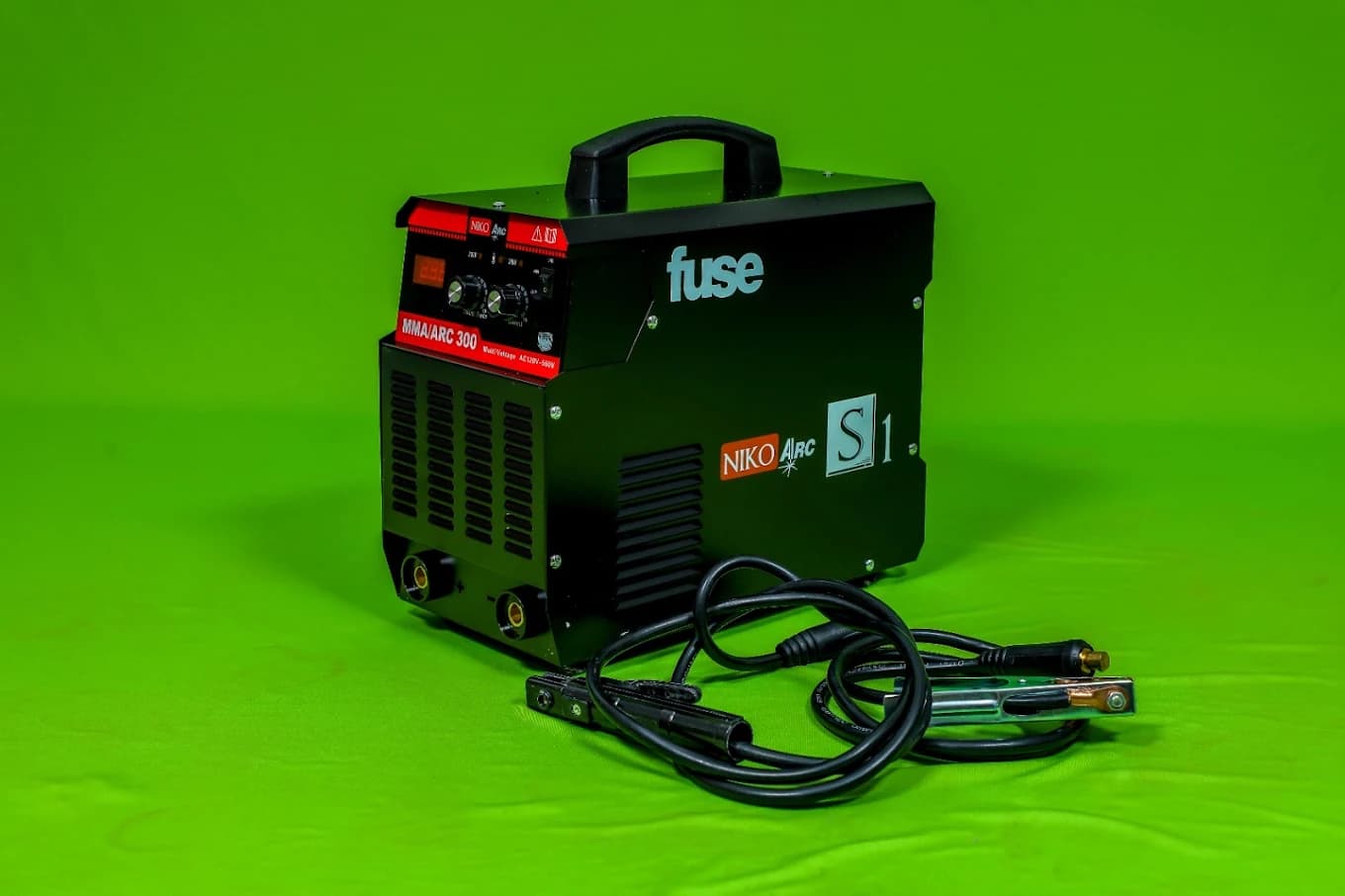
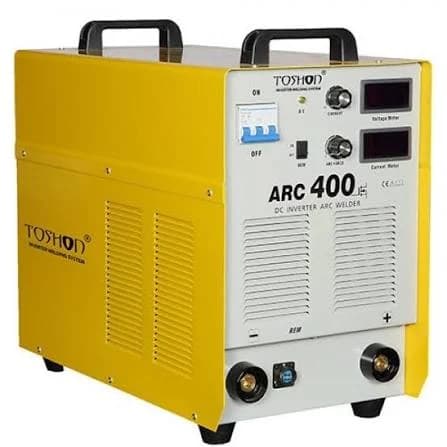
ARC / MMA — simple, tough, and portable
ARC (also called MMA, or stick welding) is the most straightforward and rugged option. It uses a flux-coated electrode and needs very little setup — no gas cylinder, no wire feed — which makes it the go-to for site work, outdoor jobs, and thicker mild steel or cast iron where a clean finish matters less than a strong joint.
It's forgiving of wind and dirty or rusty material, but slower and less tidy than MIG, and it takes more practice to run a consistent bead.
MIG / MAG — fast and easy to learn
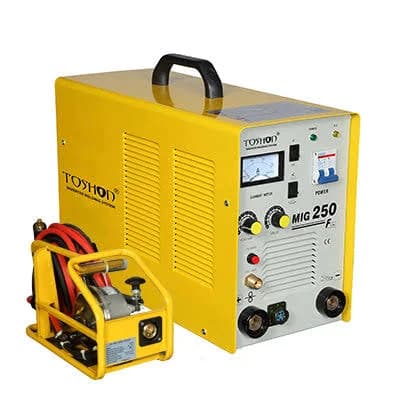
MIG welding feeds a continuous wire electrode through a torch, shielded by gas. It's faster than ARC, produces cleaner welds, and is genuinely easier to pick up for a beginner — which is why it's the default choice in most fabrication shops and production settings.
The tradeoff is setup and portability: you need a gas cylinder and a stable, wind-free environment, so it's less suited to outdoor or remote site work.
TIG — precision over speed
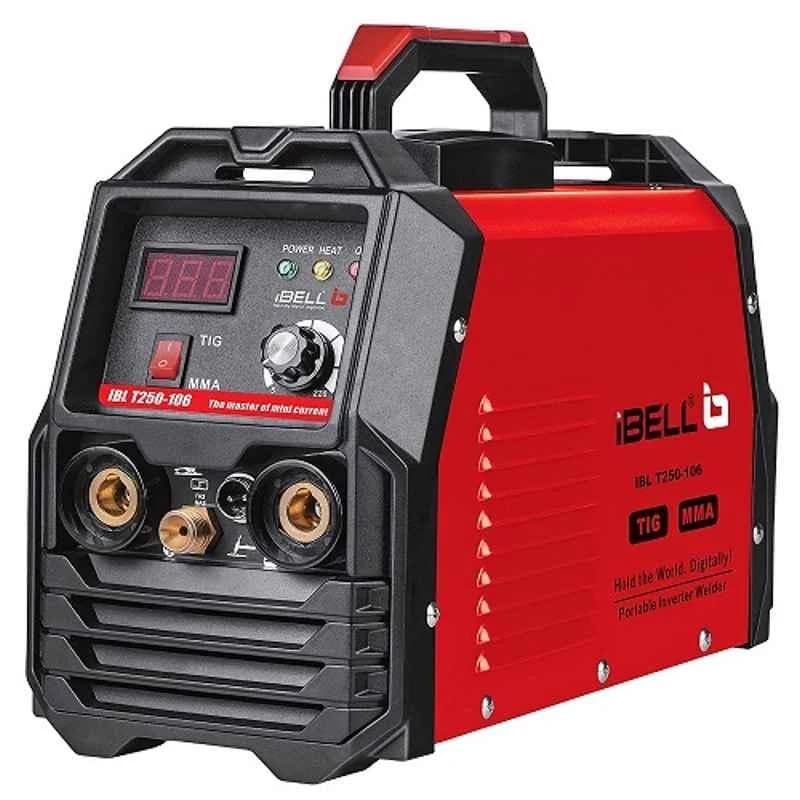
TIG welding gives the most control and the cleanest, most precise welds of the four — the standard choice for thin materials, stainless steel, aluminium, and any job where appearance and accuracy matter, like fabrication of pipes, tanks, or decorative metalwork.
It's slower and has a steeper learning curve than MIG or ARC, and it's generally not the right choice for heavy structural or high-volume work where speed matters more than finish.
Inverter technology — not a weld type, a power source
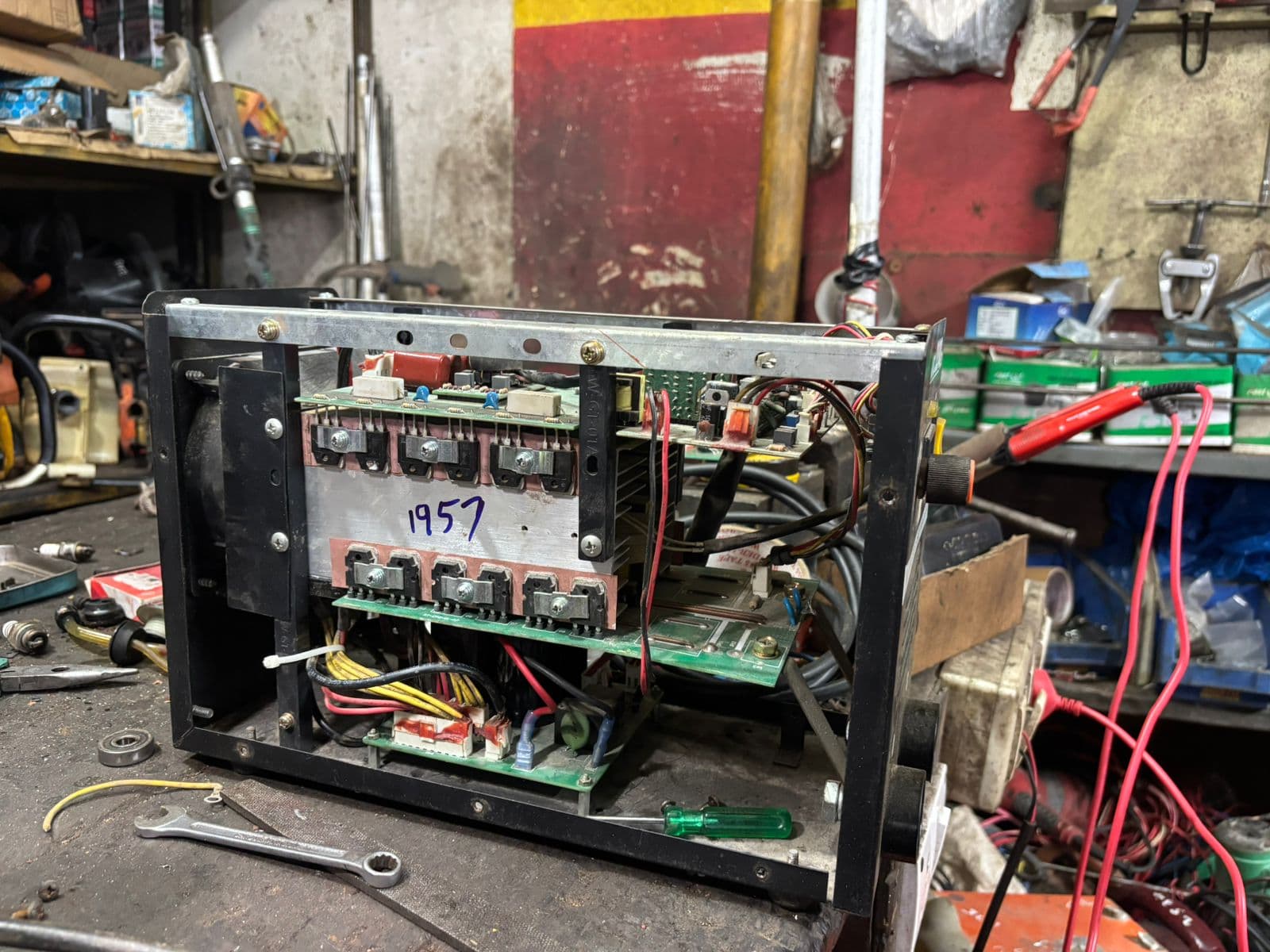
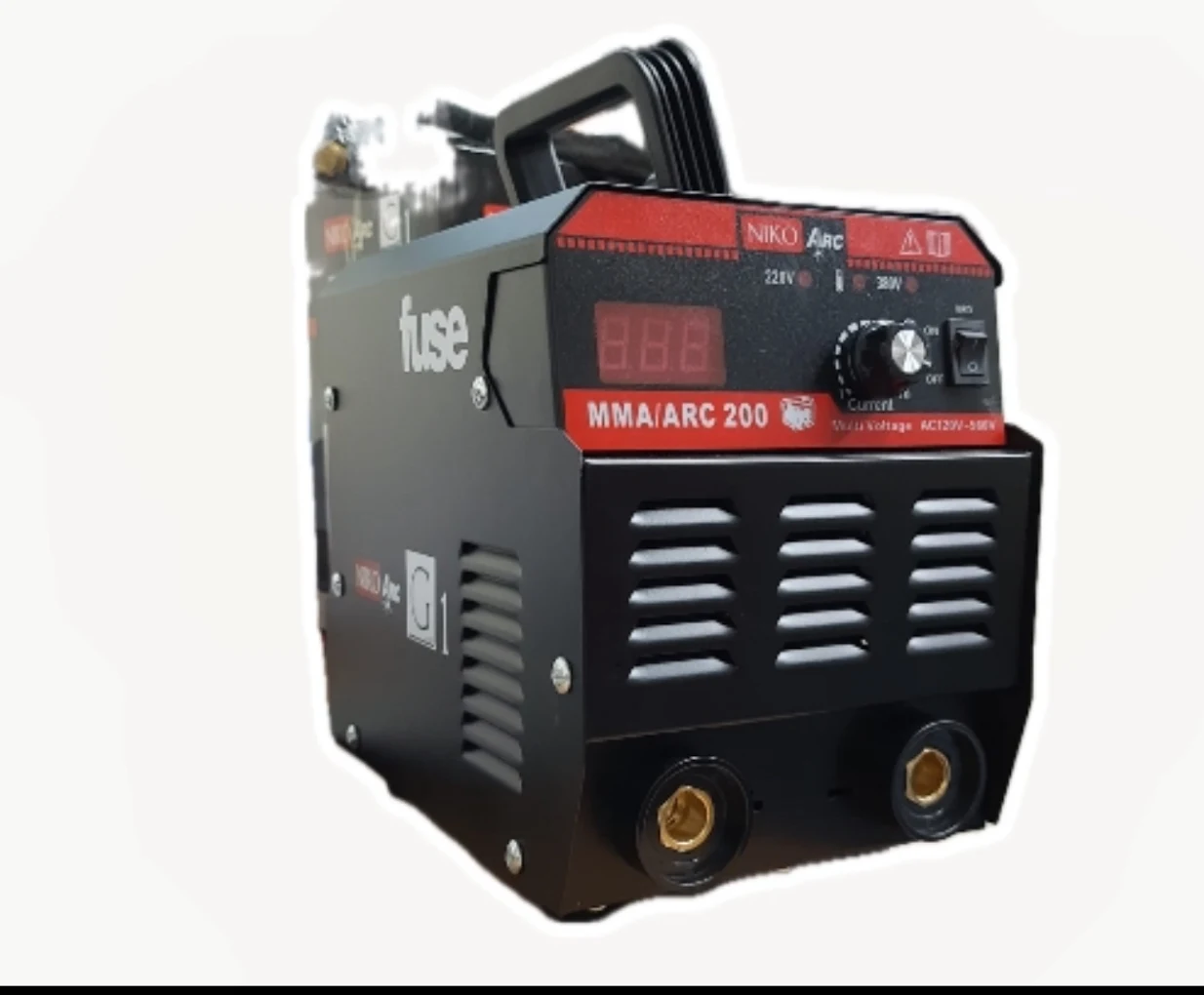
'Inverter' describes the power electronics inside the machine, not the welding process — inverter technology is now used across ARC, MIG and TIG machines. Compared to older transformer-based machines, inverters are lighter, more energy-efficient, give more stable and controllable output, and tolerate voltage fluctuations far better — which matters in areas with less consistent power supply.
In practice, almost any machine worth buying today is inverter-based; the real decision is still ARC vs MIG vs TIG based on the work.
How to actually decide
Match the machine to three things: the material and thickness you're welding most often, whether the work happens or in a fixed workshop, and how much finish quality matters versus speed. A fabrication shop doing varied steel work often ends up needing both a MIG and an ARC machine; a site electrician or plumber doing occasional repairs is usually better served by a single portable ARC/inverter unit.
If you're not sure, describe the work you actually do — material, thickness, indoor or outdoor, how often — and get matched to a machine rather than guessing from a spec sheet.