30 August 2026 · 4 min read
6 Maintenance Tips to Extend the Life of Your Welding Machine
A welding machine that's cleaned, checked and calibrated on a schedule breaks down far less often than one that only gets attention when it fails.
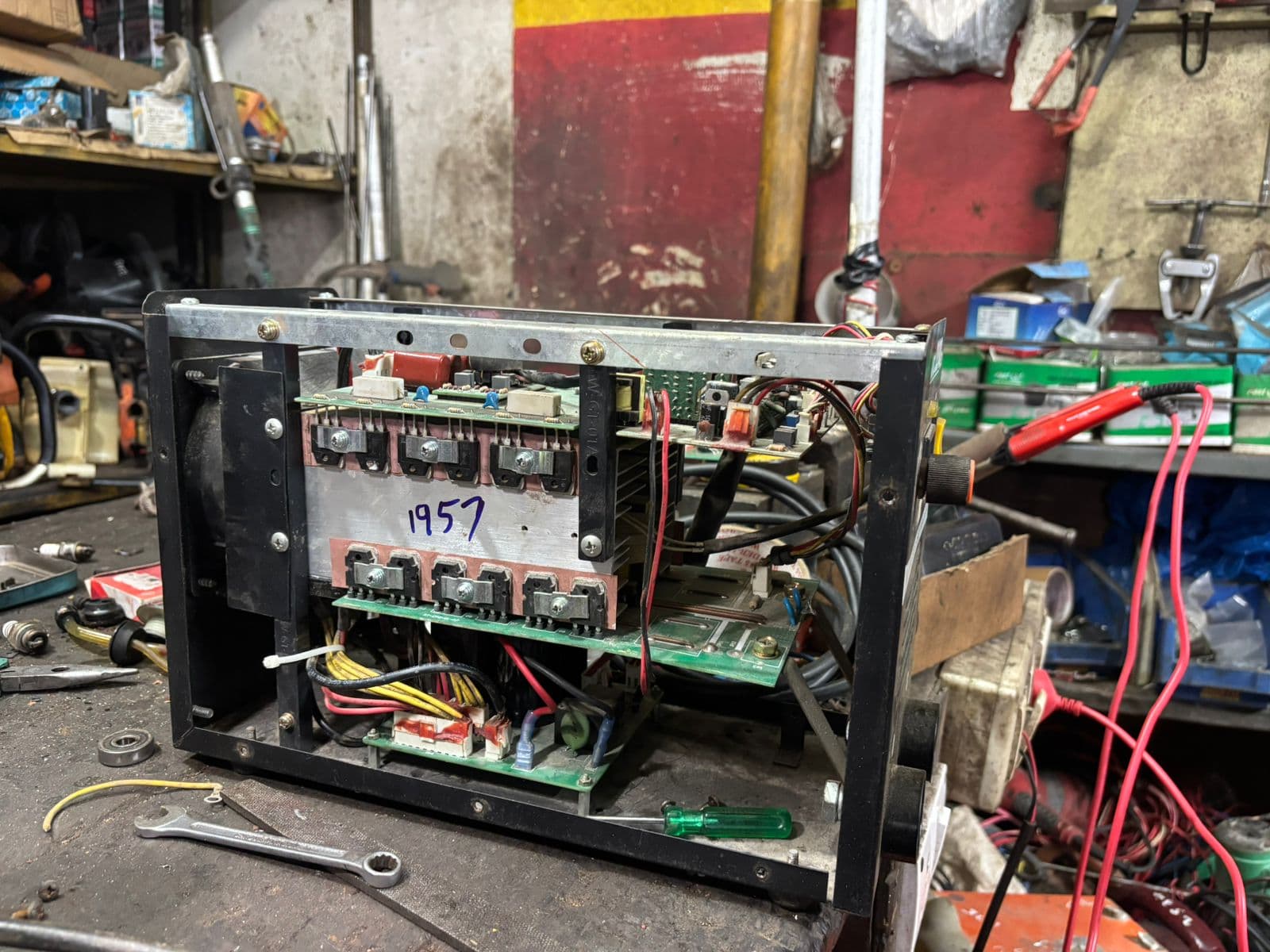
1. Keep it clean — especially the air path
Dust and metal grinding debris pulled in by the cooling fan is one of the biggest causes of overheating and premature board failure, especially in fabrication and grinding-heavy environments. A scheduled blow-out of the internals (with the machine powered off) keeps airflow where it belongs and takes minutes.
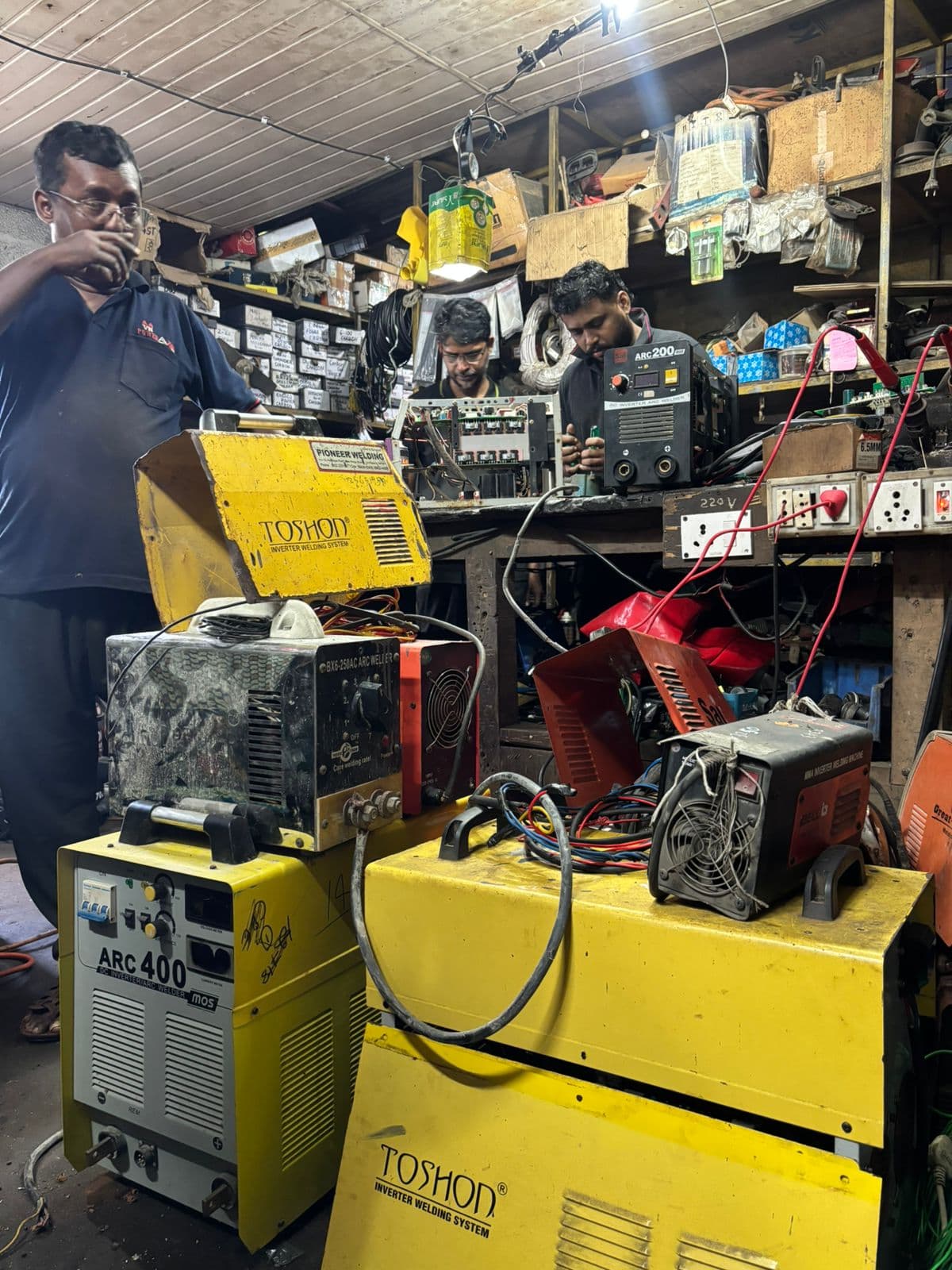
2. Check cables and connections regularly
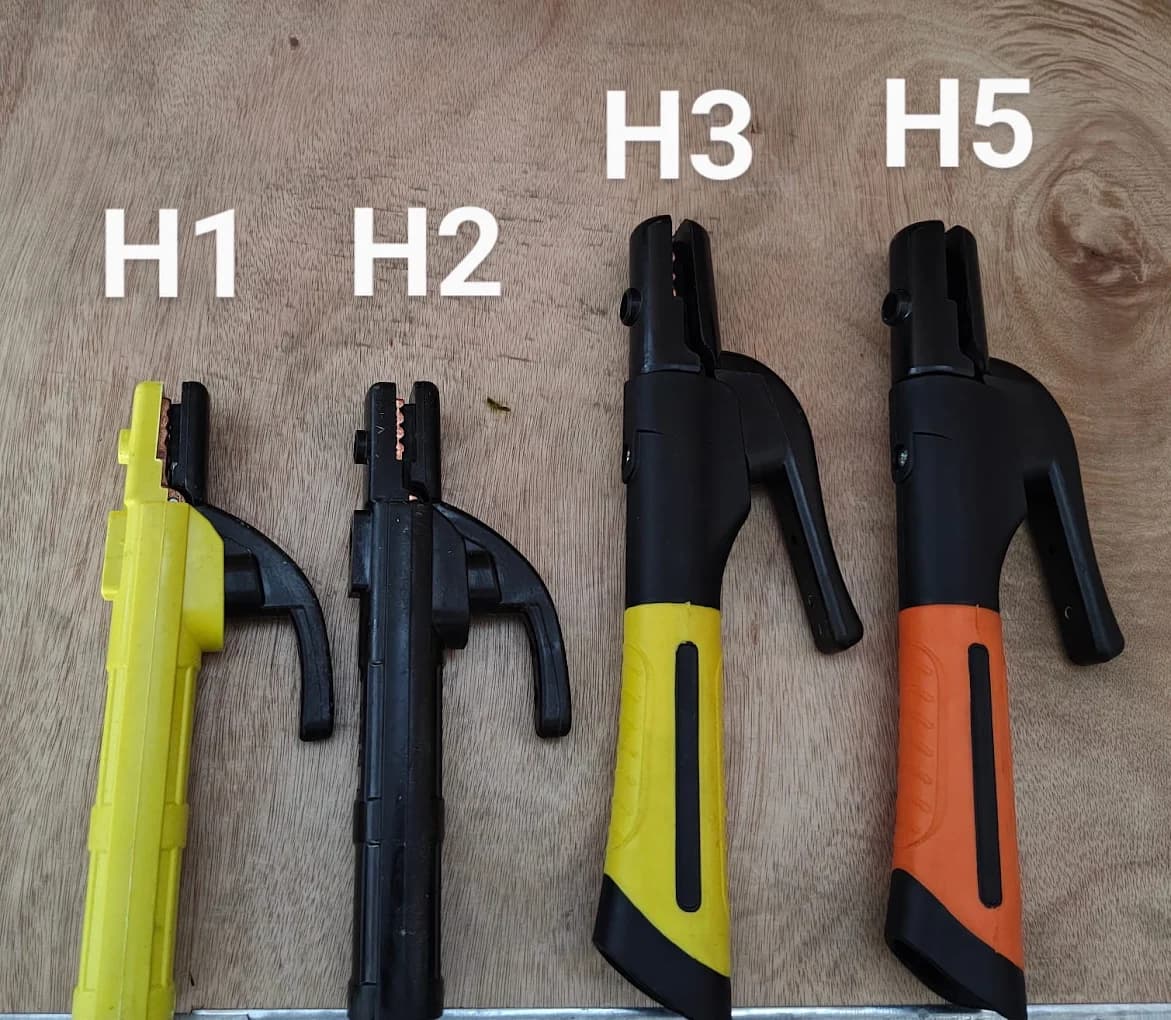
Loose or corroded connections at the output terminals, earth clamp, or electrode holder cause voltage drop, poor arc quality, and localised overheating that can damage the connector itself over time. A quick visual and physical check — looking for fraying, heat discolouration, or looseness — catches most of these before they become a bigger repair.
3. Don't ignore the duty cycle rating
Every machine has a duty cycle — the percentage of a 10-minute window it can run at a given current before it needs to cool. Consistently pushing past it (running hotter or longer than rated) is one of the fastest ways to shorten a machine's life, even if it doesn't shut down every time.
4. Store it properly between jobs
Humid, dusty, or extreme-temperature storage degrades boards and connections even when the machine isn't running. A dry, covered space — ideally off the ground — makes a real difference over a machine's working life.
5. Replace worn consumables before they cause damage
Worn contact tips, damaged torch liners, and grooved feed rollers don't just hurt weld quality — left long enough, they put extra strain on the wire feed motor and can cause secondary faults. Consumables are the cheapest part of the machine; replacing them on schedule protects the expensive parts.
6. Get it looked at on a schedule, not just when it fails
For workshops and production lines running machines daily, a scheduled maintenance visit — cleaning, calibration, and a load test at working current — catches developing faults before they cause unplanned downtime. It's almost always cheaper than an emergency breakdown mid-job.