30 August 2026 · 4 min read
Common Causes of a Weak or Unstable Arc (And How to Fix Them)
A wandering or weak arc has a handful of usual suspects — here's how to narrow down whether it's the setup, the consumables, or the machine.
Start with the earth connection
A poor or loose earth clamp connection is the single most common cause of a weak or unstable arc — and the easiest to check. Look for rust, paint, or corrosion at the clamp point, and make sure the clamp is biting into clean bare metal, not just resting against the surface.
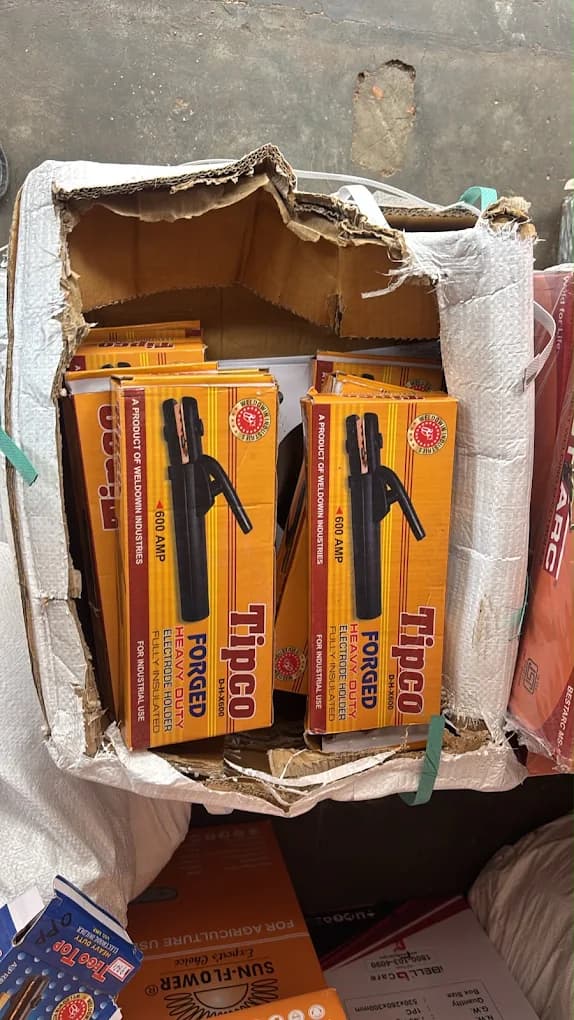
Check the current setting against the electrode or wire size
An arc that's too weak or too aggressive for the job is often simply set wrong for the electrode diameter or wire size in use. Cross-check the machine's setting against the manufacturer's recommended range for what you're running before assuming a fault.
Inspect cables and connectors for damage
Cracked cable insulation, frayed strands, or a loose connector at either end introduces resistance into the circuit, which shows up as a weak or inconsistent arc — sometimes worse when the cable is coiled or under tension. Run the machine with the cable laid out straight to see if the symptom changes.
Rule out worn consumables
On MIG machines, a worn contact tip or dirty nozzle disrupts current transfer to the wire, producing an unstable arc even when everything electrical is fine. On stick welding, a damp or old electrode does the same thing. These are cheap to rule out before looking anywhere else.
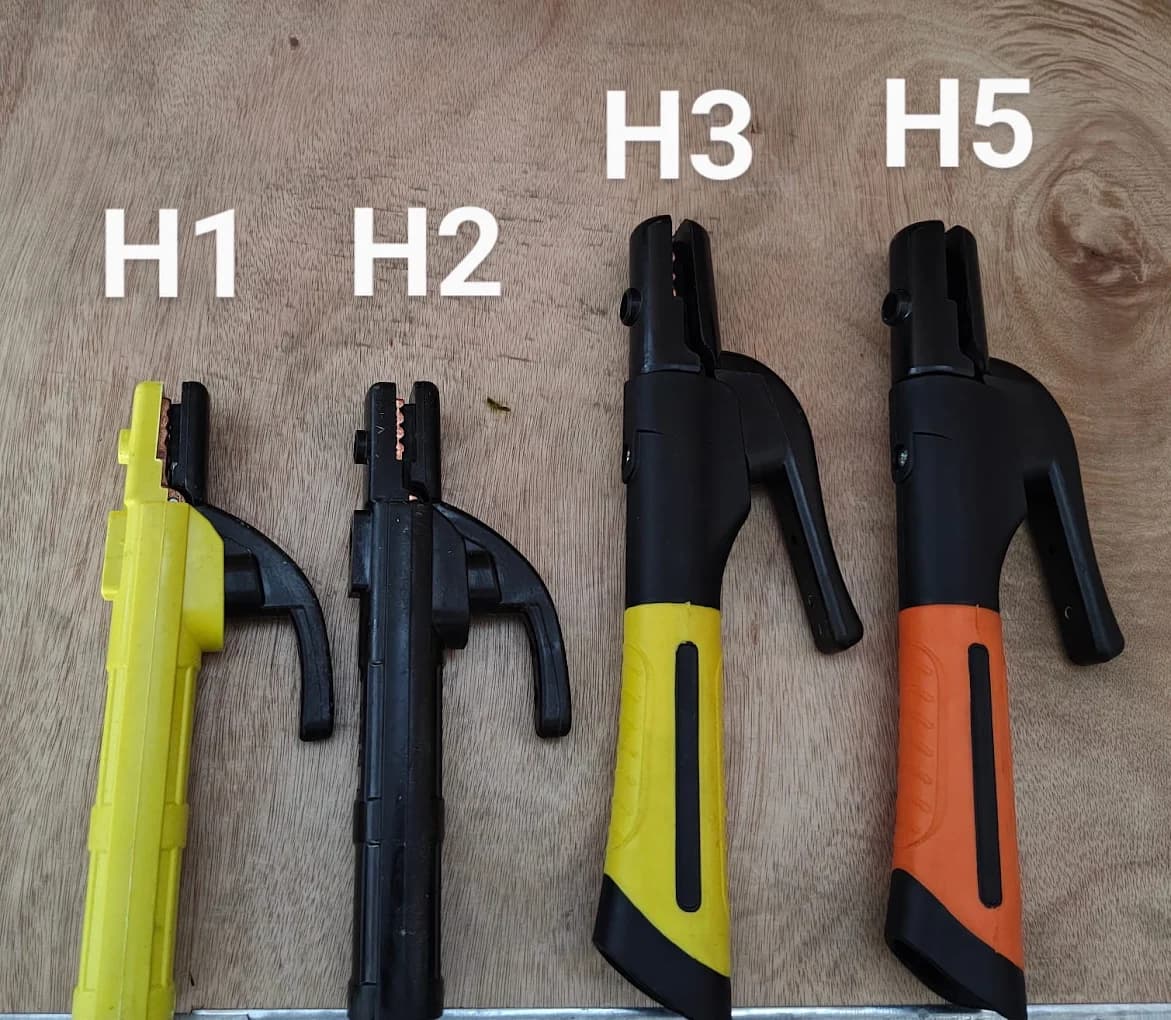
When it points to the machine itself
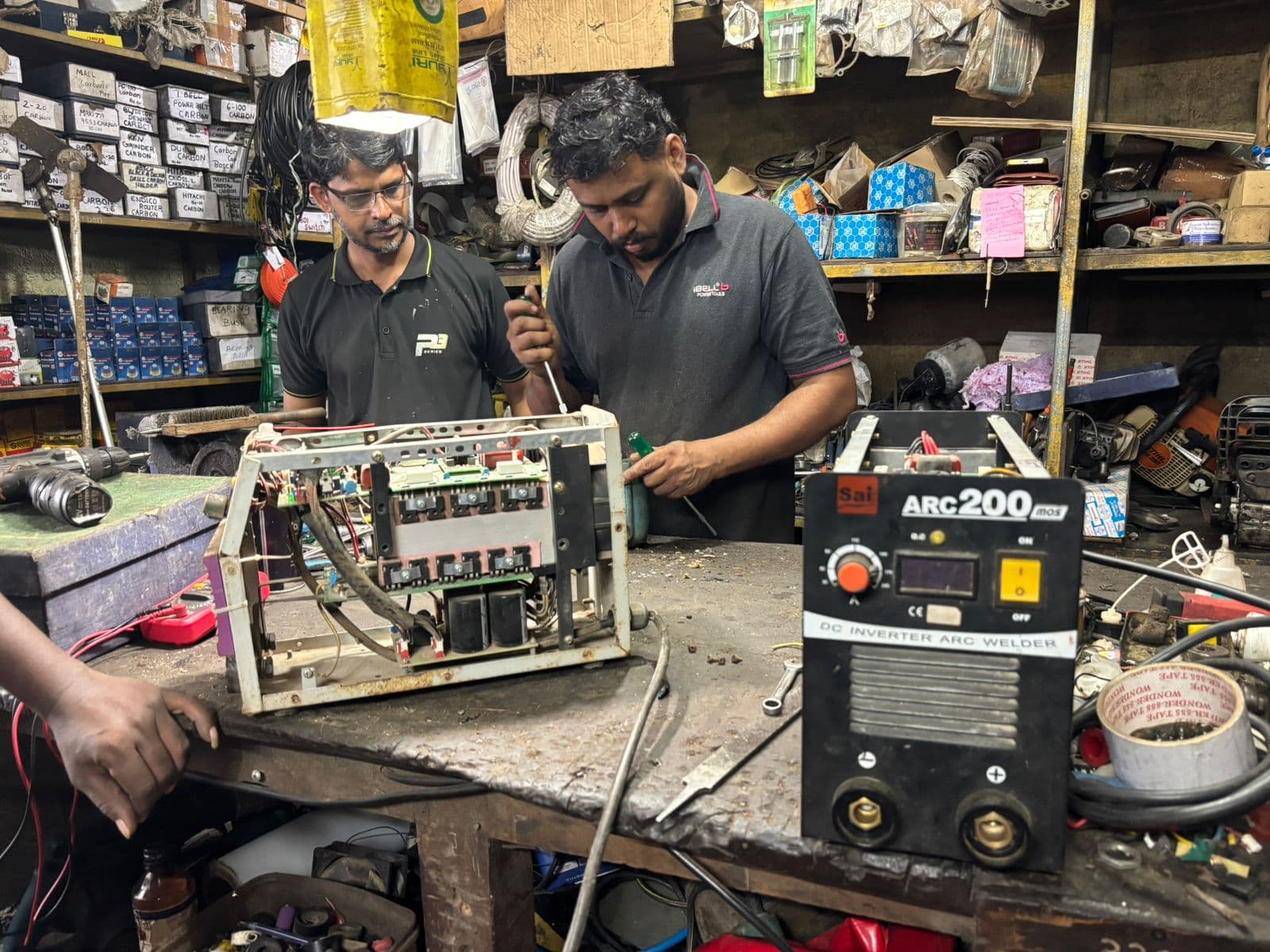
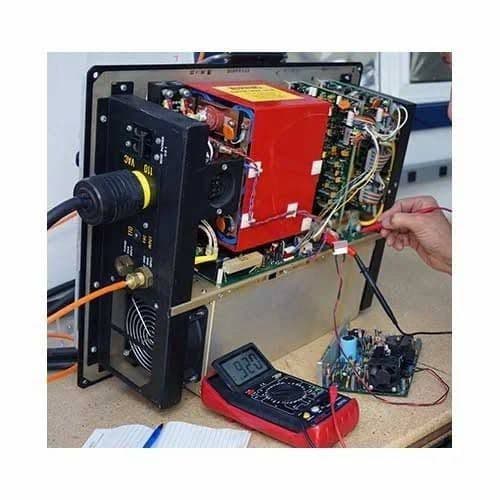
If the arc is unstable across different electrodes, wire, cables, and operators, and the current setting is correct, the fault is most likely internal — a failing inverter board, an output rectifier issue, or a control circuit that's no longer holding a steady current. At that point it needs a bench diagnosis rather than further troubleshooting in the field.
RELATED SERVICE
PCB & Inverter Card Repair
Component-level board repair — before you write off the machine
View service details →